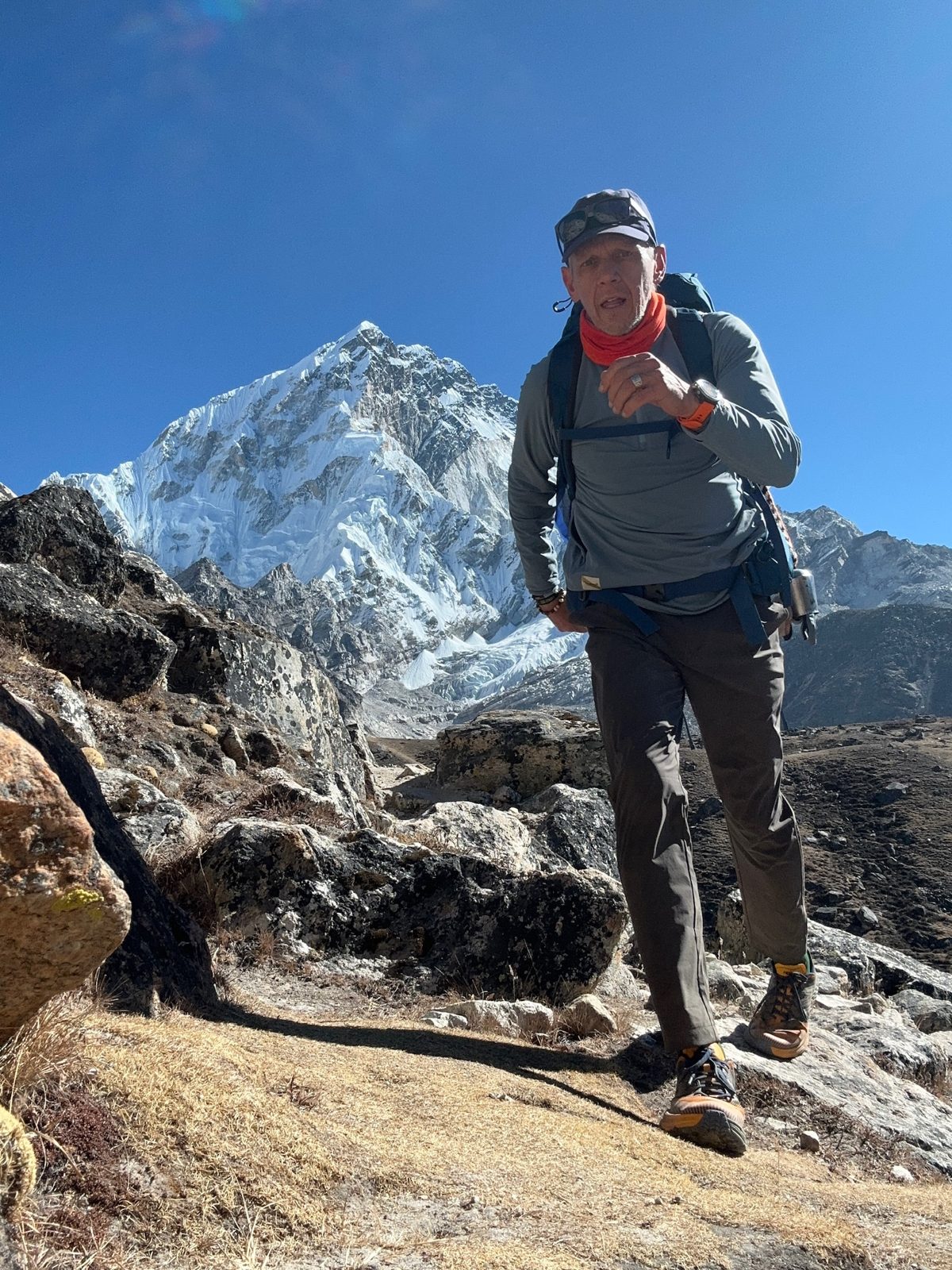
On April 8, I'm taking 15 people to Everest Base Camp. You'll be the last people to see me before I start the climb. There are plenty of ways to trek to Everest Base Camp. This is something different. You're not just joining a trek. You're becoming part of the expedition.
On January 1, I start at the Dead Sea, 1,412 feet below sea level, and swim out first. Then I run, walk and bike my way east through Jordan, Saudi Arabia and India, with a 1,000-mile sail across the Arabian Sea from Oman to Mumbai in between. No engines, start to finish. The finish line is the summit of Everest, 29,031 feet.
Base camp is where the hiking ends and the climbing starts. That's the stretch I'm sharing. Fifteen people, fifteen days, and the biggest mountain on Earth sitting at the end of the trail.
You can find an Everest Base Camp trek for a lot less than this one. I'd tell you the same thing if you asked me at a bar. Good guides, nice lodges, great pictures. What you won't find is fifteen people I picked on purpose, walking toward the biggest thing I've ever attempted, with me.
I've been doing hard things for a long time. Badwater six times. I ran nearly two marathons a day for 111 days in a row across the Sahara. Prison. Sober since July 23, 1992. Here's what all of it taught me: the hard part is never the thing itself. It's who's next to you when the thing gets hard. Ask me about the Sahara and I'll tell you about Ray and Kevin before I say a word about the sand.
Something remarkable happens to people who struggle up the same hill together. Titles and accomplishments fall away. You see people for who they really are. You find out who gets quiet when they're scared and who starts joking. You find out you're not the only one carrying something heavy. The relationships that emerge from those moments have a way of lasting long after the journey ends.
This isn't a traditional retreat, and there won't be a script to follow. I'll help prepare you for the mountain, but I suspect the most meaningful lessons will come from the journey and the people sharing it with you. I'm not your therapist. The Himalayas will take care of the therapy. I'm choosing people who've done hard things, or who are staring down their first one and want to go big.
I believe the right people find each other when they're willing to do hard things together.
The application starts with one question: why do you want to do this? Take it seriously. I will.
I won't promise I'll never do another expedition. I will promise it won't look like this one.
On April 17 you stand at base camp with me. The next day the Crew heads home and I stay for the climb.
I want to know every name before we land in Lukla, and every story before we leave it.
A sealed letter from each of you goes to the summit in my pack, and comes back to you. The expedition is being documented, and the Crew gets the chance to be part of the film.
You apply, I choose. Some of you have done hard things. For some of you this is the first. Either way, I train you myself: group calls and months of coaching before we ever land in Kathmandu.
If you've wanted to do something that scares you for a long time, this is your chance, with someone who has done it before you.
Five evenings around the fire, sharing the experiences that shaped us, the hard things we've overcome, and the legacies we hope to leave. No speeches or expectations or therapy. Just deep conversations and the kind of connection that comes from doing something extraordinary together.
Before we part, you write a letter: what you're carrying up this mountain, and who it's for. Each one is sealed. I carry all fifteen to the summit and hand them back to you after I'm down. Your words reach the top of the world.
You'll be in that room.
Dead Sea to Everest supports charity: water, the nonprofit working to bring clean, safe water to people who don't have it. It's a cause I've run for since the Sahara, when that 111-day crossing raised roughly $6 million for clean water.
Your seat funds the expedition. It is not a charitable donation. If you want to put money behind clean water, give directly to charity: water.
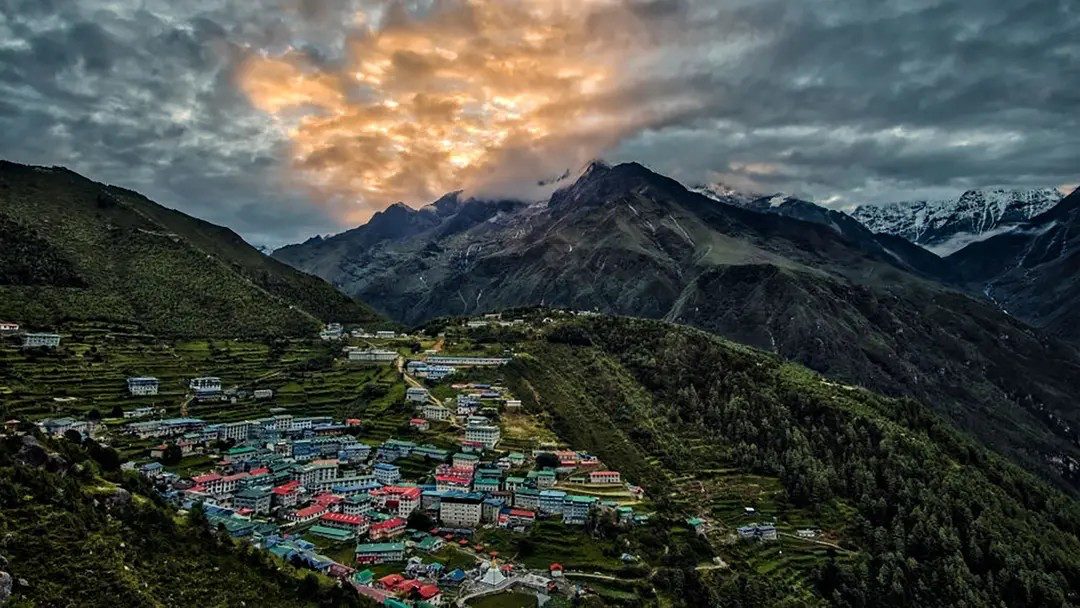
If the helicopter can't fly: Apr 18 hike to Pheriche, Apr 19 Namche, Apr 20 Lukla, Apr 21 Kathmandu, Apr 22 flights home. Altitudes are standard route values. The itinerary can change with weather and acclimatization.


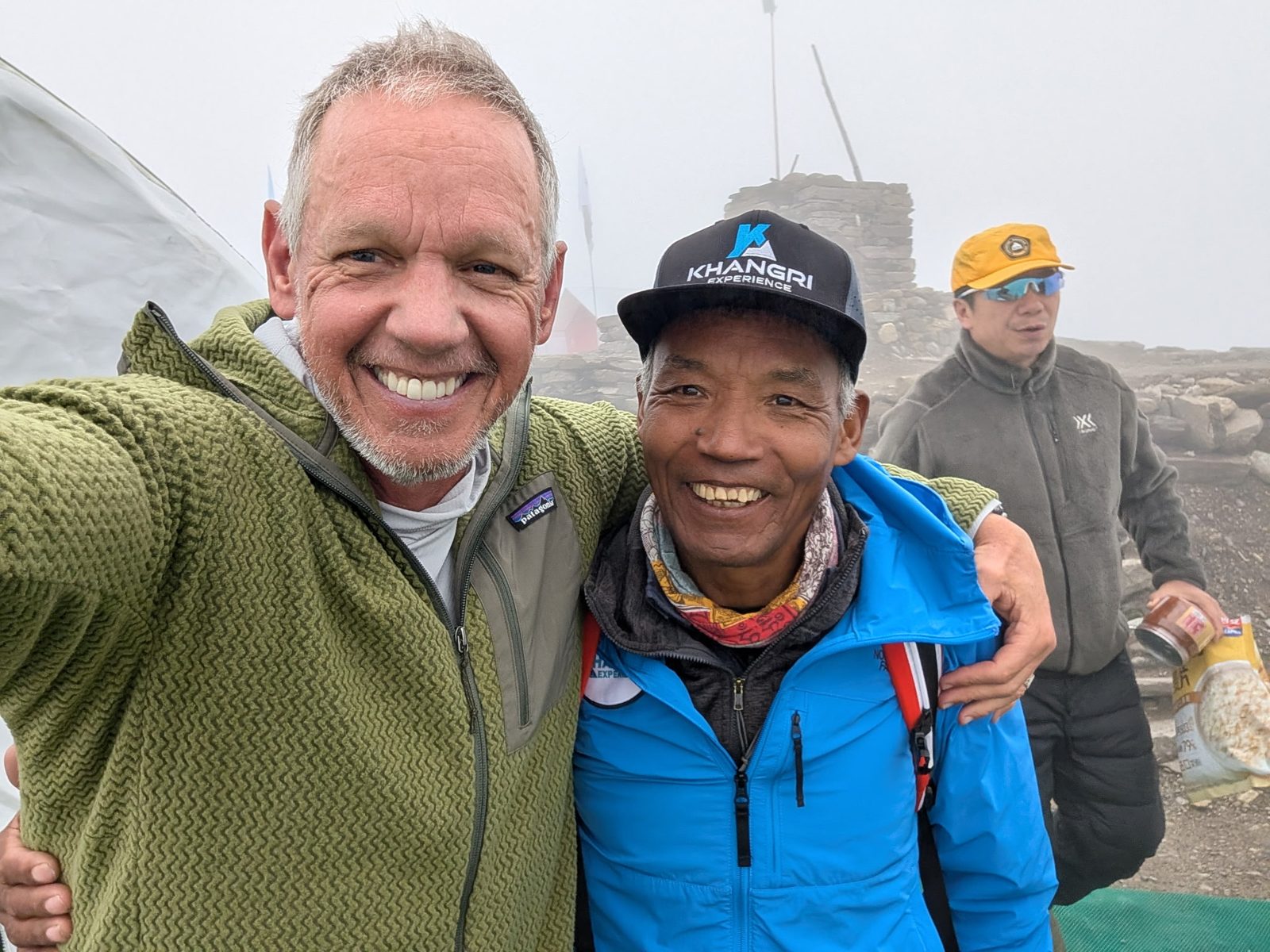
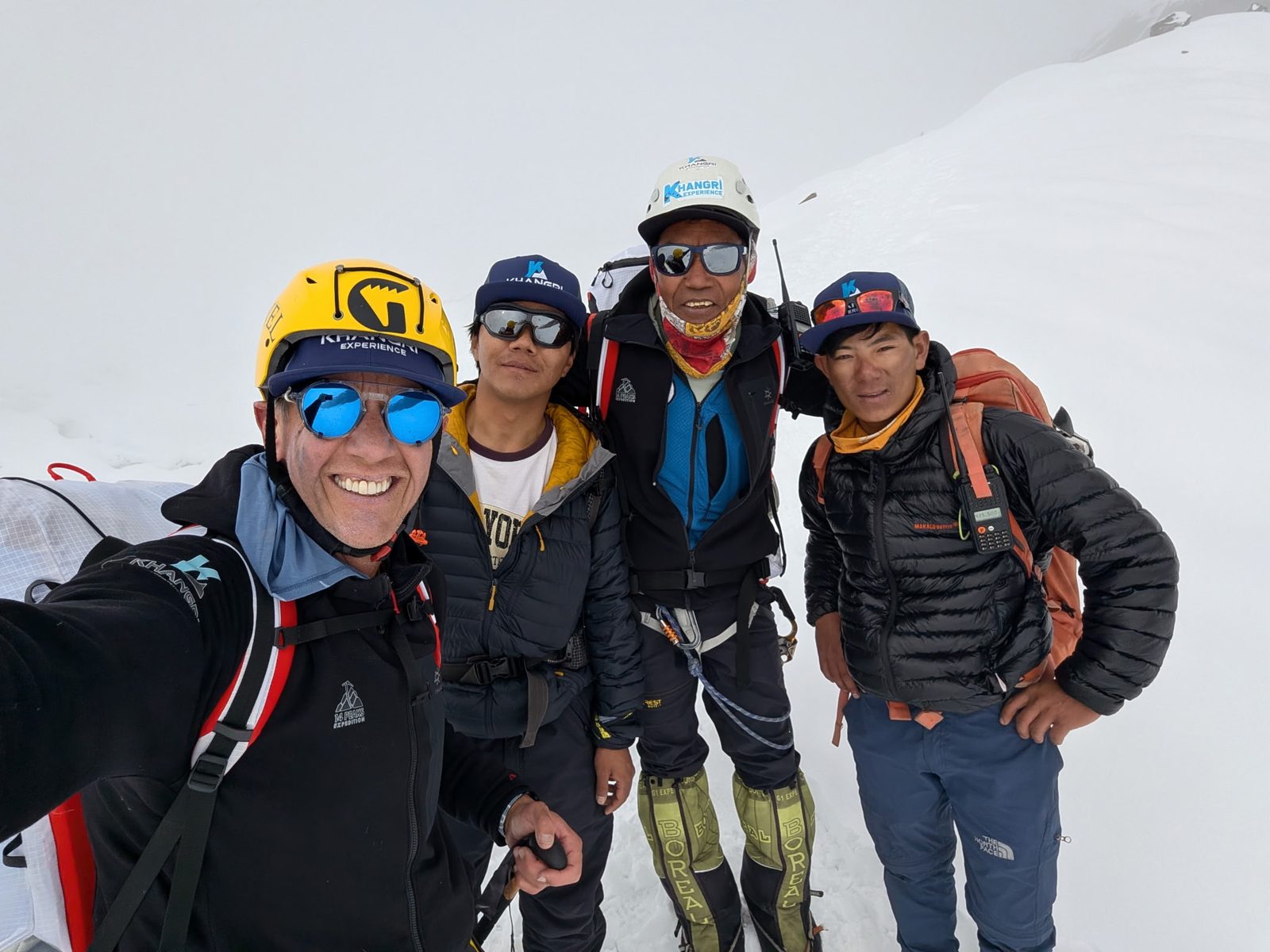
Lakpa Rita Sherpa, with Khangri Experience: 17 Everest summits. [SECOND LEADER: name, role and verified summit count from Khangri]
There are plenty of ways to trek to Everest Base Camp. This is something different. You're not just joining a trek. You're becoming part of the expedition. Your seat covers the trek and funds the expedition itself. Part of what you're paying for is time with me and the people I pick to share it.
No. You need to be fit, stubborn, and willing to be cold for a few days. Altitude is real, so everyone needs a doctor's okay and evacuation insurance. You'll get a training plan the day you're confirmed.
No. Men and women. I'm choosing people, not a category.
Cancel before January 30 and your deposit comes back in full. After that, it's non-refundable unless a waitlisted person takes your seat, in which case you get it back less 10%.
[TERMS: arrival-delay policy, pending legal review]
Your seat is not a charitable donation. Ask your accountant whether the trip qualifies as a business expense for you.
Five short questions. I read every one. We're holding spots. Once you're approved, you'll be sent a payment link for your $2,500 deposit.
Thank you. I read every one myself. We're holding spots, and once you're approved you'll be sent a payment link for your deposit. You'll hear from me by December 22.